Two months after the fire at the Dry Dock Juvenile Prison… Violations continue, and the rights of child inmates are still being stripped away
Source: Field monitoring and reports from inside the prison
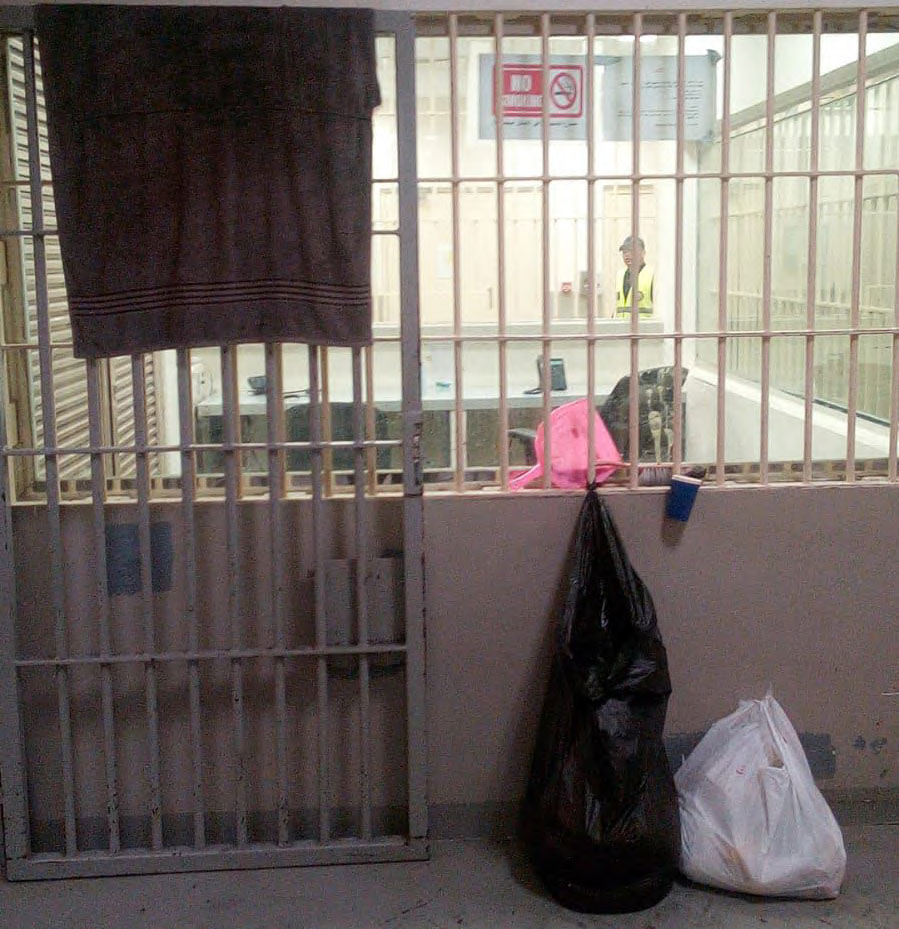
Information received from within the facility housing juvenile inmates indicates the continuation of several violations affecting their fundamental rights, in clear contradiction to international standards for the treatment of prisoners—particularly the Nelson Mandela Rules and the Convention on the Rights of the Child. The most notable observations are as follows:
-
Ongoing deprivation of contact with families: Several inmates have been denied communication with their relatives for extended periods without clear legal justification, constituting a violation of their right to family contact and negatively impacting their psychological and social well-being.
-
Denial of daily outdoor time: Some inmates are deprived of their right to daily sunlight exposure, in direct violation of the United Nations Standard Minimum Rules for the Treatment of Prisoners, which require daily outdoor exercise.
-
Disruption of education and vocational training: Many inmates’ studies have been interrupted due to the unpreparedness of educational and industrial training workshops, depriving them of essential opportunities for learning and rehabilitation.
-
Lack of educational materials: Failure to provide necessary stationery and study materials for inmates still enrolled in various educational stages reflects administrative neglect that hinders their right to education and the creation of a suitable learning environment within the correctional facility.
-
Absence of proper psychological and social rehabilitation programs: The lack of age-appropriate rehabilitation and support programs has had negative effects on their personal and skill development, undermining the rehabilitative purpose of their detention.
Recommendations:
• Guarantee the right of juvenile inmates to regular family contact without arbitrary restrictions.
• Ensure all inmates have access to daily sunlight and physical activities in line with international standards.
• Reactivate educational and vocational workshops and immediately provide the necessary study materials.
• Develop psychological, social, and rehabilitation programs tailored to their age to support reintegration into society.